Japanese Encephalitis In Assam: Symptoms, Prevention & Treatment
Every year during the monsoon season, Assam witnesses a rise in mosquito-borne diseases. Among them, Japanese Encephalitis, commonly known as JE, remains one of the most serious health concerns in the region. Due to heavy rainfall, floods, and waterlogging, mosquito breeding increases rapidly across many districts of Assam, especially in rural and flood-prone areas.
Japanese Encephalitis is a viral infection that can affect the brain and nervous system. While some people may experience only mild symptoms, severe cases can become life-threatening if treatment is delayed. Children are among the most affected groups, although adults can also develop the infection.
Many families are unaware of the early warning signs and often mistake the illness for a normal fever or viral infection. Understanding the symptoms, causes, preventive measures, and treatment options can help in seeking timely medical care and reducing complications.
What Is Japanese Encephalitis?
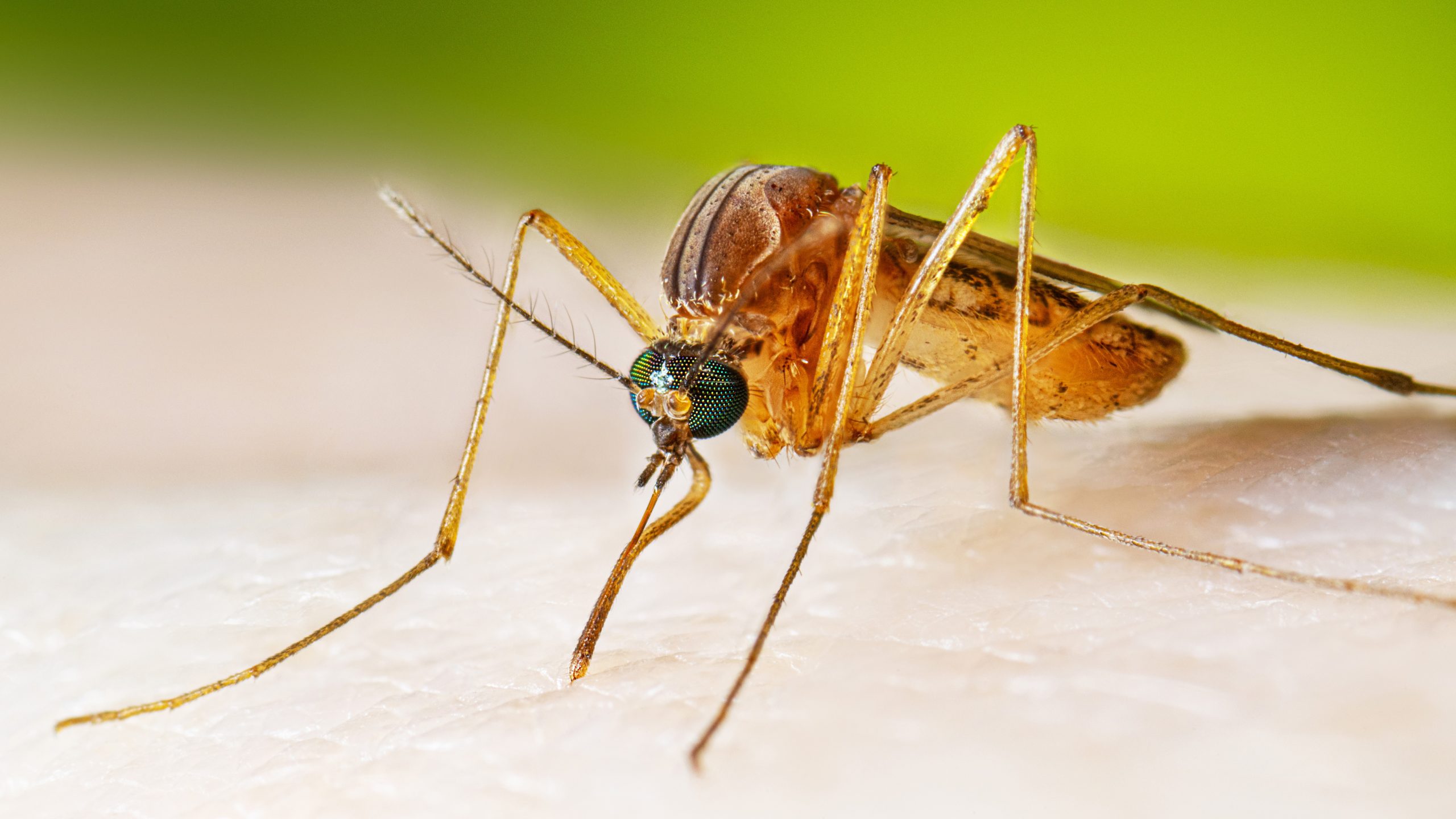
Japanese Encephalitis is caused by the Japanese Encephalitis Virus (JEV). The infection spreads through the bite of infected mosquitoes, mainly the Culex mosquito species. These mosquitoes usually breed in stagnant water, paddy fields, ponds, drains, and flood-affected areas.
The virus does not spread directly from person to person through touch, food, or coughing. Pigs and certain water birds act as hosts for the virus and help maintain the infection cycle in nature.
Because Assam has a humid climate, frequent rainfall, and large agricultural areas, the conditions become favorable for mosquito breeding during monsoon months.
Why Is Japanese Encephalitis Common In Assam?
Assam records Japanese Encephalitis cases almost every year, particularly during and after the rainy season. Several environmental and geographical factors contribute to the increased number of cases in the state.
Some common reasons include:
- Heavy monsoon rainfall
- Flooding and water stagnation
- Paddy cultivation fields
- High mosquito population
- Humid weather conditions
- Rural settlements near water bodies
Mosquitoes usually become more active during the evening and night. People living in areas with poor drainage or stagnant water are at greater risk of mosquito bites.
Early Symptoms Of Japanese Encephalitis
In the beginning, Japanese Encephalitis may look similar to a common viral fever. Some infected individuals may not show symptoms at all, while others may develop mild illness.
Common early symptoms include:
- Fever
- Headache
- Weakness
- Vomiting
- Body ache
- Tiredness
- Loss of appetite
In many cases, these symptoms may continue for a few days before the condition worsens.
Severe Symptoms That Should Not Be Ignored
When the virus affects the brain and nervous system, the condition can become serious very quickly. Immediate medical attention is necessary if severe symptoms appear.
Warning signs include:
- High fever
- Neck stiffness
- Confusion or disorientation
- Difficulty speaking
- Seizures or fits
- Loss of consciousness
- Difficulty walking
- Unusual body movements
- Excessive sleepiness
Children may become irritable, unusually silent, or develop repeated vomiting and convulsions.
Any patient showing neurological symptoms should be taken to a hospital immediately.
Who Is More Vulnerable To JE?
Although anyone can get infected, some groups are at higher risk of developing severe illness.
Children
Children below 15 years are commonly affected because their immunity may not be strong enough to fight the infection effectively.
Elderly Individuals
Older adults often have weaker immunity and may develop complications more easily.
People Living In Rural Areas
Residents living near paddy fields, pig farms, ponds, or stagnant water face higher exposure to infected mosquitoes.
Unvaccinated Individuals
People who have not received the JE vaccine remain more vulnerable during outbreaks.
How Is Japanese Encephalitis Diagnosed?
Doctors diagnose Japanese Encephalitis based on symptoms, medical history, physical examination, and laboratory investigations.
Tests may include:
- Blood tests
- Cerebrospinal fluid testing
- MRI or CT scan
- Neurological examination
Early diagnosis plays an important role in preventing severe complications.
Treatment For Japanese Encephalitis
There is currently no specific antiviral medicine that completely cures Japanese Encephalitis. Treatment mainly focuses on supportive care and controlling symptoms.
Depending on the condition of the patient, treatment may include:
- Hospital admission
- Intravenous fluids
- Fever management
- Oxygen support
- Anti-seizure medications
- Intensive care monitoring
Severe cases may require ICU admission, especially if the brain or nervous system is significantly affected.
Patients who receive early medical treatment usually have better chances of recovery.
Possible Complications Of JE
Some patients recover fully, while others may experience long-term health problems due to brain inflammation.
Possible complications include:
- Memory problems
- Difficulty speaking
- Muscle weakness
- Paralysis
- Learning difficulties in children
- Behavioral changes
- Recurrent seizures
In severe situations, the infection can become fatal.
This is why early medical attention is extremely important.
How To Prevent Japanese Encephalitis
Preventing mosquito bites remains one of the best ways to reduce the risk of infection.
Protect Yourself From Mosquitoes
Simple preventive measures can make a major difference:
- Use mosquito nets while sleeping
- Wear full-sleeved clothing
- Apply mosquito repellents
- Avoid outdoor exposure during evening hours
- Install window screens when possible
Prevent Mosquito Breeding
Keeping surroundings clean helps reduce mosquito population.
Important preventive steps include:
- Avoid water stagnation
- Clean drains regularly
- Empty water containers frequently
- Cover water storage tanks
- Dispose of waste properly
Vaccination
JE vaccination is highly important in high-risk areas like Assam. Vaccination programs are conducted in several districts through government healthcare initiatives.
Parents should ensure that children receive vaccines according to medical recommendations.
Japanese Encephalitis And Dengue Are Not The Same
Many people confuse Japanese Encephalitis with dengue because both illnesses spread through mosquito bites. However, the two diseases are different.
Dengue usually causes severe body pain, low platelet count, and bleeding-related symptoms. Japanese Encephalitis mainly affects the brain and nervous system.
Symptoms like confusion, seizures, unconsciousness, or neck stiffness require immediate emergency medical care.
When Should You Consult A Doctor?
Seek medical attention immediately if fever is associated with:
- Severe headache
- Repeated vomiting
- Fits or seizures
- Neck stiffness
- Confusion
- Unusual sleepiness
- Loss of consciousness
Delaying treatment can increase the risk of severe complications.
Japanese Encephalitis continues to remain an important public health concern in Assam, especially during monsoon and flood seasons. Increased awareness, mosquito control, vaccination, and timely medical care can help reduce serious illness and save lives.
Families should remain cautious during the rainy season and take proper preventive measures to protect children and elderly members from mosquito-borne diseases.
Early diagnosis and prompt treatment can significantly improve recovery and reduce long-term complications.