Thyroid problems have become increasingly common among women in India, including many parts of Assam and Northeast India. Despite being a widespread health issue, thyroid disorders often remain undiagnosed for a long time because the symptoms usually develop slowly and may appear similar to stress, weakness, or hormonal imbalance.
Many women ignore early signs such as fatigue, unexplained weight gain, hair fall, mood changes, or irregular periods without realizing that the thyroid gland may be responsible. If left untreated, thyroid disorders can affect overall health, metabolism, fertility, pregnancy, heart health, and emotional wellbeing.
Understanding the symptoms, causes, diagnosis, and treatment options can help women seek timely medical attention and maintain long-term health.
What Is The Thyroid Gland?
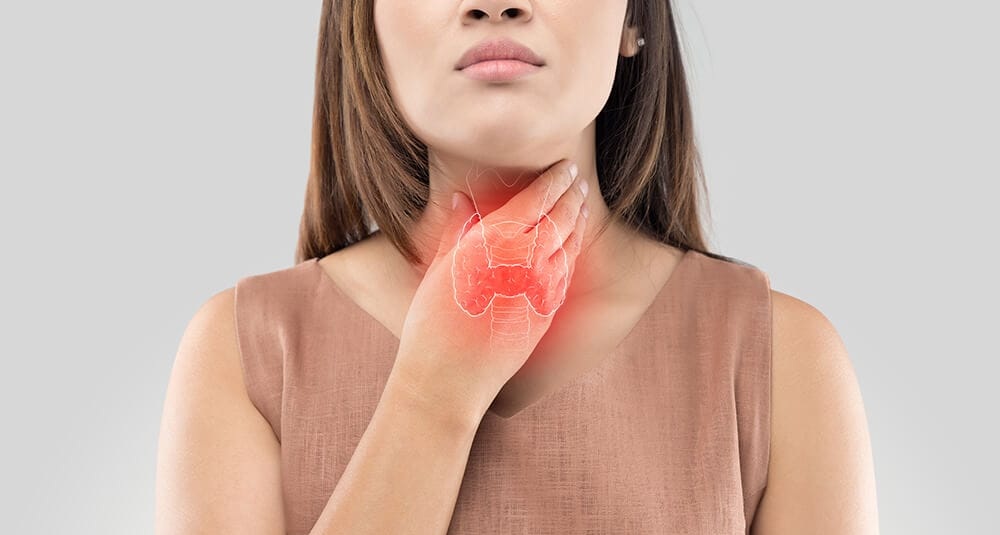
The thyroid is a small butterfly-shaped gland located in the front of the neck. It produces hormones that help regulate many important body functions, including:
- Metabolism
- Energy levels
- Body temperature
- Heart rate
- Weight balance
- Menstrual cycle
- Mood and emotional health
When the thyroid gland produces too little or too much hormone, various health problems may develop.
Common Types Of Thyroid Disorders
Hypothyroidism
Hypothyroidism occurs when the thyroid gland does not produce enough thyroid hormone. This is one of the most common thyroid disorders seen in women.
Hyperthyroidism
Hyperthyroidism develops when the thyroid gland becomes overactive and produces excessive thyroid hormones.
Thyroid Nodules And Goiter
Some women may develop swelling in the thyroid gland or small lumps called nodules. These may require medical evaluation and monitoring.
Why Thyroid Problems Are More Common In Women
Women are more likely to develop thyroid disorders due to hormonal changes and autoimmune conditions.
Some common reasons include:
- Hormonal fluctuations
- Pregnancy-related changes
- Family history
- Stress
- Autoimmune diseases
- Nutritional deficiencies
- Lifestyle factors
Thyroid disorders can occur at any age but are commonly seen during reproductive years and middle age.
Early Signs Of Thyroid Problems In Women
The symptoms of thyroid disorders may vary depending on whether the gland is underactive or overactive.
Common Symptoms Of Hypothyroidism
Women with hypothyroidism may experience:
- Unexplained weight gain
- Fatigue
- Hair fall
- Dry skin
- Constipation
- Feeling cold frequently
- Depression or low mood
- Slow heart rate
- Irregular periods
- Puffy face
- Difficulty concentrating
Many women assume these symptoms are due to stress or aging and delay medical consultation.
Symptoms Of Hyperthyroidism
An overactive thyroid can produce very different symptoms.
Common signs include:
- Weight loss despite normal eating
- Anxiety
- Irritability
- Excessive sweating
- Fast heartbeat
- Tremors
- Sleep problems
- Increased appetite
- Frequent bowel movements
- Irregular menstrual cycle
Some women may also notice swelling in the neck due to thyroid enlargement.
Thyroid Problems During Pregnancy
Proper thyroid function is extremely important during pregnancy because thyroid hormones support the baby’s brain and nervous system development.
Untreated thyroid disorders during pregnancy may increase the risk of:
- Miscarriage
- Premature delivery
- High blood pressure
- Low birth weight
- Developmental problems in the baby
Pregnant women with thyroid symptoms or a history of thyroid disease should undergo proper medical evaluation and regular monitoring.
Can Thyroid Disorders Affect Fertility?
Yes, thyroid imbalance can affect ovulation and menstrual cycles, making it difficult for some women to conceive.
Women experiencing infertility, irregular periods, or repeated pregnancy complications are often advised to undergo thyroid testing as part of evaluation.
Proper treatment may improve reproductive health and fertility outcomes.
How Are Thyroid Disorders Diagnosed?
Doctors usually diagnose thyroid conditions through clinical examination and blood tests.
Common tests include:
- TSH test
- T3 and T4 hormone levels
- Thyroid antibody tests
- Ultrasound of the thyroid gland
These tests help determine whether the thyroid gland is underactive, overactive, or structurally abnormal.
Treatment Options For Thyroid Disorders
Treatment depends on the type and severity of the thyroid condition.
Treatment For Hypothyroidism
Hypothyroidism is commonly treated with thyroid hormone replacement medication. The dosage is adjusted based on regular blood test monitoring.
Treatment For Hyperthyroidism
Treatment may include:
- Medicines to control hormone production
- Radioactive iodine therapy in selected cases
- Surgery in certain conditions
Doctors decide the best treatment based on the patient’s age, symptoms, and overall health condition.
Lifestyle Tips For Managing Thyroid Problems
Medical treatment works best when combined with healthy lifestyle habits.
Helpful measures include:
- Taking medicines regularly as prescribed
- Eating a balanced diet
- Maintaining healthy body weight
- Managing stress
- Getting adequate sleep
- Regular physical activity
- Attending follow-up checkups
Patients should avoid stopping thyroid medicines without medical advice.
Foods And Nutrition In Thyroid Health
Good nutrition supports overall thyroid function.
Important nutrients include:
- Iodine
- Selenium
- Zinc
- Iron
However, excessive supplementation without medical advice should be avoided.
Women with thyroid conditions should discuss dietary concerns with their doctor or nutrition specialist.
When Should You Consult A Doctor?
You should consult a doctor if you experience:
- Persistent fatigue
- Sudden weight changes
- Hair loss
- Irregular periods
- Neck swelling
- Anxiety or mood changes
- Fast or slow heartbeat
- Difficulty concentrating
Early diagnosis helps prevent long-term complications and improves quality of life.
Thyroid disorders are common but manageable health conditions. Many women continue living with symptoms for years without realizing that thyroid imbalance may be the underlying cause.
Regular health checkups, timely diagnosis, proper medication, and healthy lifestyle habits can help maintain hormonal balance and overall wellbeing.
Women should never ignore ongoing symptoms like fatigue, weight changes, or menstrual irregularities, especially when they continue for a long time.