Dengue fever has become one of the most common mosquito-borne illnesses in Guwahati and many parts of Assam, especially during the monsoon and post-monsoon seasons. Every year, hospitals and clinics witness a rise in dengue cases due to waterlogging, increased mosquito breeding, and humid weather conditions.
Although many dengue infections remain mild, some patients can develop serious complications if medical care is delayed. One of the biggest problems is that people often ignore the early warning signs or mistake dengue for seasonal viral fever.
Knowing the symptoms, danger signs, treatment options, and preventive measures can help families seek timely care and avoid severe complications.
What Is Dengue Fever?
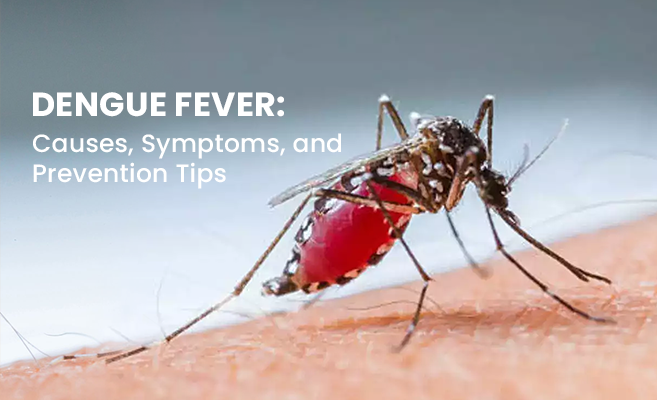
Dengue fever is a viral infection caused by the dengue virus. It spreads through the bite of infected Aedes mosquitoes, mainly the Aedes aegypti mosquito.
Unlike mosquitoes that bite mostly at night, dengue mosquitoes are usually active during the daytime, especially in the early morning and late afternoon.
These mosquitoes commonly breed in:
- Stagnant water
- Flower pots
- Water tanks
- Buckets
- Coolers
- Construction sites
- Discarded containers and tyres
Even small amounts of stagnant water can become mosquito breeding grounds.
Why Dengue Cases Increase In Guwahati During Monsoon
Guwahati experiences heavy rainfall and water accumulation during monsoon months. Poor drainage in some areas and humid weather create ideal conditions for mosquito breeding.
Some common reasons for increasing dengue cases include:
- Waterlogging after rainfall
- Improper waste disposal
- Uncovered water containers
- Rapid urbanization
- Construction-related stagnant water
- High humidity levels
Dengue outbreaks are usually more common between June and October.
Early Symptoms Of Dengue Fever
Dengue symptoms usually appear within a few days after a mosquito bite. In the beginning, the illness may look similar to flu or viral fever.
Common early symptoms include:
- Sudden high fever
- Severe headache
- Body pain
- Joint pain
- Muscle pain
- Weakness
- Nausea
- Vomiting
- Loss of appetite
- Skin rash in some cases
Many patients describe dengue as a painful illness because of the intense body and joint pain.
Warning Signs Of Severe Dengue
While some patients recover within a few days, others may develop severe dengue, which can become dangerous if untreated.
You should never ignore these warning signs:
- Persistent vomiting
- Severe abdominal pain
- Bleeding gums
- Nose bleeding
- Blood in vomit or stool
- Extreme weakness
- Difficulty breathing
- Restlessness
- Sudden drop in blood pressure
- Reduced urination
These symptoms may indicate severe dengue complications and require immediate hospitalization.
What Happens To Platelet Count In Dengue?
One of the most discussed aspects of dengue is platelet count. Platelets are blood components that help prevent bleeding.
In dengue infection, platelet count may decrease significantly in some patients. However, low platelet count alone does not always mean the condition is severe.
Doctors usually monitor:
- Platelet count
- Hydration status
- Blood pressure
- Hematocrit levels
- Bleeding symptoms
Self-medication or panic regarding platelet numbers should be avoided. Proper medical monitoring is important.
Difference Between Viral Fever And Dengue
Many people initially confuse dengue with common viral fever. However, dengue often causes more intense symptoms.
Dengue commonly presents with:
- Severe body ache
- Intense headache
- Pain behind the eyes
- High fever
- Significant weakness
Unlike ordinary viral fever, dengue may also lead to bleeding tendencies and low platelet count.
If symptoms worsen after fever reduces, immediate medical evaluation is necessary.
How Is Dengue Diagnosed?
Doctors diagnose dengue through clinical examination and laboratory testing.
Common tests include:
- Dengue NS1 antigen test
- Dengue IgM and IgG antibody tests
- Complete blood count
- Platelet count monitoring
Early diagnosis helps in proper monitoring and timely treatment.
Treatment For Dengue Fever
There is no specific antiviral medicine that cures dengue directly. Treatment mainly focuses on supportive care and preventing complications.
Treatment may include:
- Adequate fluid intake
- Oral rehydration
- Fever management
- Rest
- Hospital admission in severe cases
- Intravenous fluids if necessary
Patients should avoid taking medicines without medical advice, especially painkillers like ibuprofen or aspirin, as they may increase bleeding risk.
Paracetamol is usually preferred for fever management under medical guidance.
Importance Of Hydration In Dengue
Proper hydration plays a very important role during dengue recovery.
Loss of fluids due to fever and vomiting can worsen the condition. Doctors often advise patients to consume:
- Water
- ORS
- Coconut water
- Fresh fruit juices
- Soups
Dehydration can increase the risk of complications.
Who Is At Higher Risk?
Although dengue can affect anyone, some groups may face higher risk of complications.
These include:
- Children
- Elderly individuals
- Pregnant women
- People with weak immunity
- Patients with chronic illnesses
Close medical observation is important for high-risk patients.
How To Prevent Dengue Fever
Prevention mainly focuses on controlling mosquito breeding and avoiding mosquito bites.
Prevent Mosquito Breeding
Important steps include:
- Do not allow water stagnation
- Clean water containers regularly
- Cover tanks and buckets
- Dispose of waste properly
- Empty flower pot trays frequently
Protect Yourself From Mosquito Bites
Simple protective measures can help greatly:
- Wear full-sleeved clothing
- Use mosquito repellents
- Use mosquito nets if needed
- Install window screens
- Keep surroundings clean
Community awareness and cleanliness are extremely important during dengue season.
When Should You Visit A Doctor?
Seek medical attention immediately if fever is associated with:
- Severe body pain
- Vomiting
- Bleeding symptoms
- Weakness
- Abdominal pain
- Breathing difficulty
- Reduced urine output
Early medical care helps prevent serious complications.
Dengue fever continues to be a major seasonal health concern in Guwahati and many parts of Assam. Increased awareness, proper mosquito control, hydration, and early medical attention can help reduce severe illness and complications.
People should avoid ignoring prolonged fever or relying only on home remedies during dengue season. Timely diagnosis and proper treatment play an important role in safe recovery.