
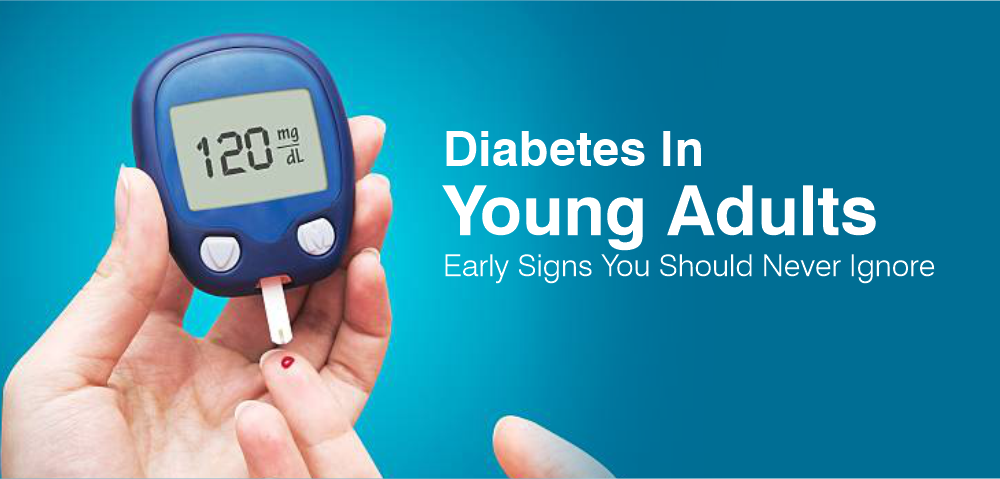
Diabetes is no longer considered a disease that affects only older adults. In recent years, a growing number of young adults are being diagnosed with diabetes due to unhealthy lifestyle habits, stress, obesity, lack of physical activity, and changing food patterns.
In cities and towns across Assam and Northeast India, doctors are seeing more young people with high blood sugar levels, prediabetes, and type 2 diabetes at an early age. Many individuals remain unaware of the condition because the symptoms often develop slowly and may appear mild in the beginning.
Ignoring diabetes can lead to serious long-term complications affecting the heart, kidneys, eyes, nerves, and overall health. Understanding the early warning signs, causes, preventive measures, and treatment options can help young adults take better care of their health and avoid future complications.
What Is Diabetes?
Diabetes is a condition in which the body is unable to properly regulate blood sugar levels.
Normally, the hormone insulin helps move sugar from the blood into the body’s cells for energy. In diabetes, the body either does not produce enough insulin or cannot use insulin effectively.
As a result, blood sugar levels increase.
Why Diabetes Is Increasing In Young Adults
Several lifestyle and environmental factors are contributing to the increasing number of diabetes cases among younger individuals.
Common reasons include:
- Unhealthy eating habits
- Excess sugar consumption
- Fast food and processed food intake
- Lack of exercise
- Obesity
- Stress
- Irregular sleep patterns
- Family history of diabetes
- Smoking and alcohol consumption
Long working hours, screen time, and sedentary lifestyles also play a major role.
Early Signs Of Diabetes In Young Adults
The symptoms of diabetes may develop gradually and are often ignored in the early stages.
Common warning signs include:
- Frequent urination
- Excessive thirst
- Increased hunger
- Fatigue
- Unexplained weight loss
- Blurred vision
- Slow wound healing
- Frequent infections
- Tingling sensation in hands or feet
Many young adults dismiss these symptoms as stress or weakness and delay medical evaluation.
Prediabetes: An Early Warning Stage
Prediabetes is a condition where blood sugar levels are higher than normal but not yet high enough to be classified as diabetes.
This stage is important because lifestyle changes can often prevent or delay the development of diabetes.
People with prediabetes may not notice obvious symptoms. Regular health checkups help detect the condition early.
Types Of Diabetes Seen In Young Adults
Type 2 Diabetes
Type 2 diabetes is becoming increasingly common among young adults due to obesity, poor diet, and lack of exercise.
Type 1 Diabetes
Type 1 diabetes usually develops at a younger age and occurs when the body’s immune system attacks insulin-producing cells.
Gestational Diabetes
Some women develop diabetes during pregnancy, which requires proper monitoring and treatment.
How Obesity Affects Diabetes Risk
Excess body weight, especially around the abdomen, increases the risk of insulin resistance and high blood sugar.
People who are overweight may also develop:
- High blood pressure
- Fatty liver disease
- High cholesterol
- Heart problems
Maintaining healthy body weight is one of the most important steps in diabetes prevention.
Can Stress Increase Blood Sugar Levels?
Yes, stress can affect blood sugar control.
During stress, the body releases hormones that may increase blood glucose levels. Poor sleep and emotional stress can also contribute to unhealthy eating habits and reduced physical activity.
Managing stress is important for both diabetes prevention and diabetes control.
How Diabetes Is Diagnosed
Doctors diagnose diabetes through blood sugar testing.
Common tests include:
- Fasting blood sugar
- HbA1c test
- Postprandial blood sugar
- Random blood sugar test
Regular screening is especially important for individuals with obesity, family history, or symptoms suggestive of diabetes.
Complications Of Uncontrolled Diabetes
If diabetes remains untreated or poorly controlled, it can gradually damage several organs in the body.
Possible complications include:
- Heart disease
- Kidney disease
- Eye problems
- Nerve damage
- Foot complications
- Stroke
- Poor wound healing
Early diagnosis and proper management help reduce these risks significantly.
Treatment And Management Of Diabetes
Diabetes management focuses on controlling blood sugar and preventing complications.
Treatment may include:
- Healthy diet
- Regular exercise
- Weight management
- Oral medicines
- Insulin therapy in some cases
- Regular blood sugar monitoring
Treatment plans vary depending on the type and severity of diabetes.
Best Lifestyle Changes To Prevent Diabetes
Healthy habits can greatly reduce diabetes risk.
Eat A Balanced Diet
- Reduce sugary drinks and junk food
- Eat more vegetables and fruits
- Avoid excessive processed foods
- Control portion sizes
Exercise Regularly
Physical activity helps improve insulin sensitivity and maintain healthy body weight.
Maintain Healthy Weight
Even small weight loss can help improve blood sugar control.
Sleep Properly
Poor sleep patterns may affect metabolism and increase diabetes risk.
Avoid Smoking And Excess Alcohol
Smoking and excessive alcohol consumption increase the risk of several chronic diseases, including diabetes.
When Should You Consult A Doctor?
Seek medical attention if you experience:
- Frequent urination
- Excessive thirst
- Unexplained tiredness
- Sudden weight changes
- Recurrent infections
- Slow healing wounds
- Family history of diabetes
Early diagnosis can prevent long-term complications and improve quality of life.
Diabetes is becoming increasingly common among young adults due to changing lifestyles, unhealthy diets, stress, and lack of physical activity. Many people ignore early symptoms until complications begin to develop.
Regular health checkups, healthy eating habits, exercise, and timely medical care play a major role in diabetes prevention and control.
Young adults should never ignore symptoms such as excessive thirst, fatigue, or frequent urination, especially if they continue for a long time.